
Compare wool vs acrylic sweaters for your business. Learn the differences in cost, quality, durability, and how to choose the right knitwear manufacturer for your brand.
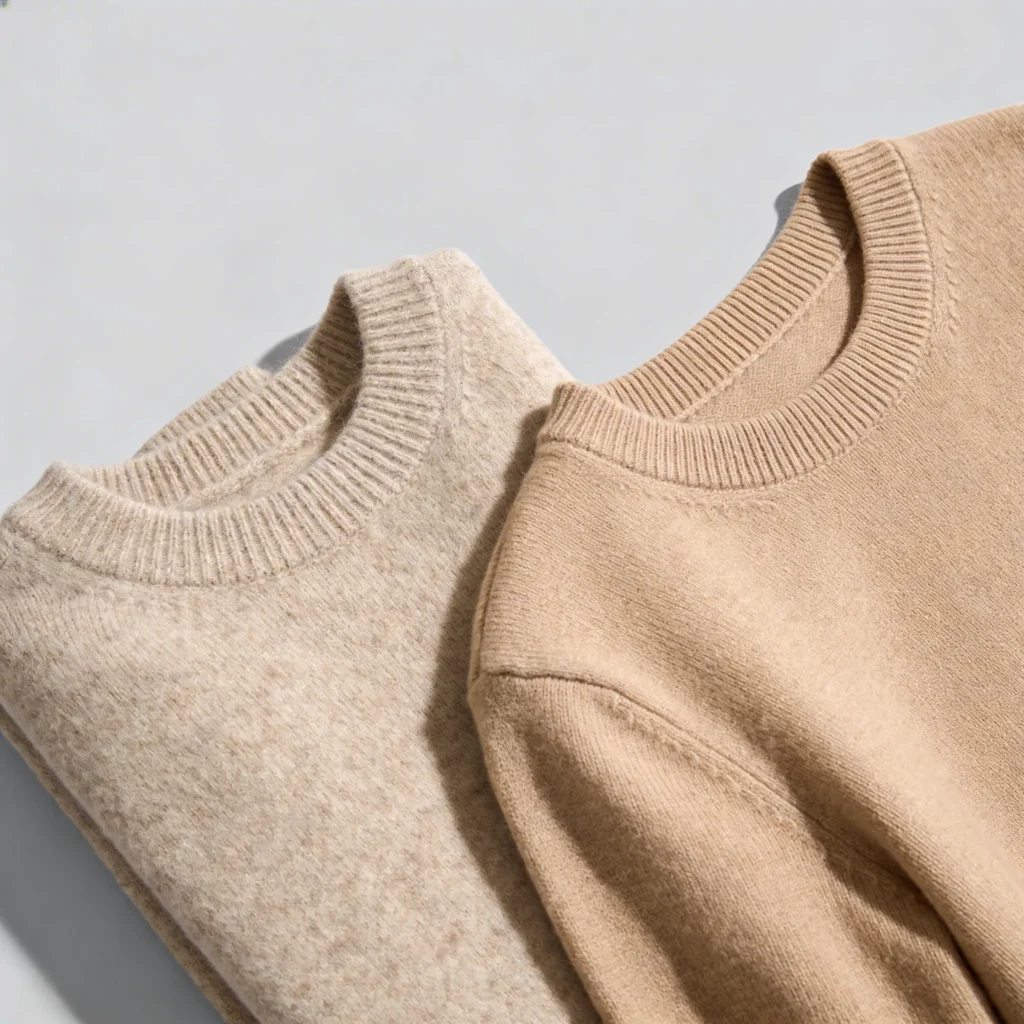
When sourcing products for your clothing brand, choosing the right material is just as important as choosing the right knitwear manufacturer. Two of the most common materials used in sweater production are wool and acrylic.
Understanding the differences between wool and acrylic sweaters can help fashion brands, wholesalers, and retailers make better purchasing decisions and meet their customers’ expectations.
In this guide, we compare wool vs acrylic sweaters in terms of quality, cost, durability, and market positioning.
1. What Is Wool Knitwear?
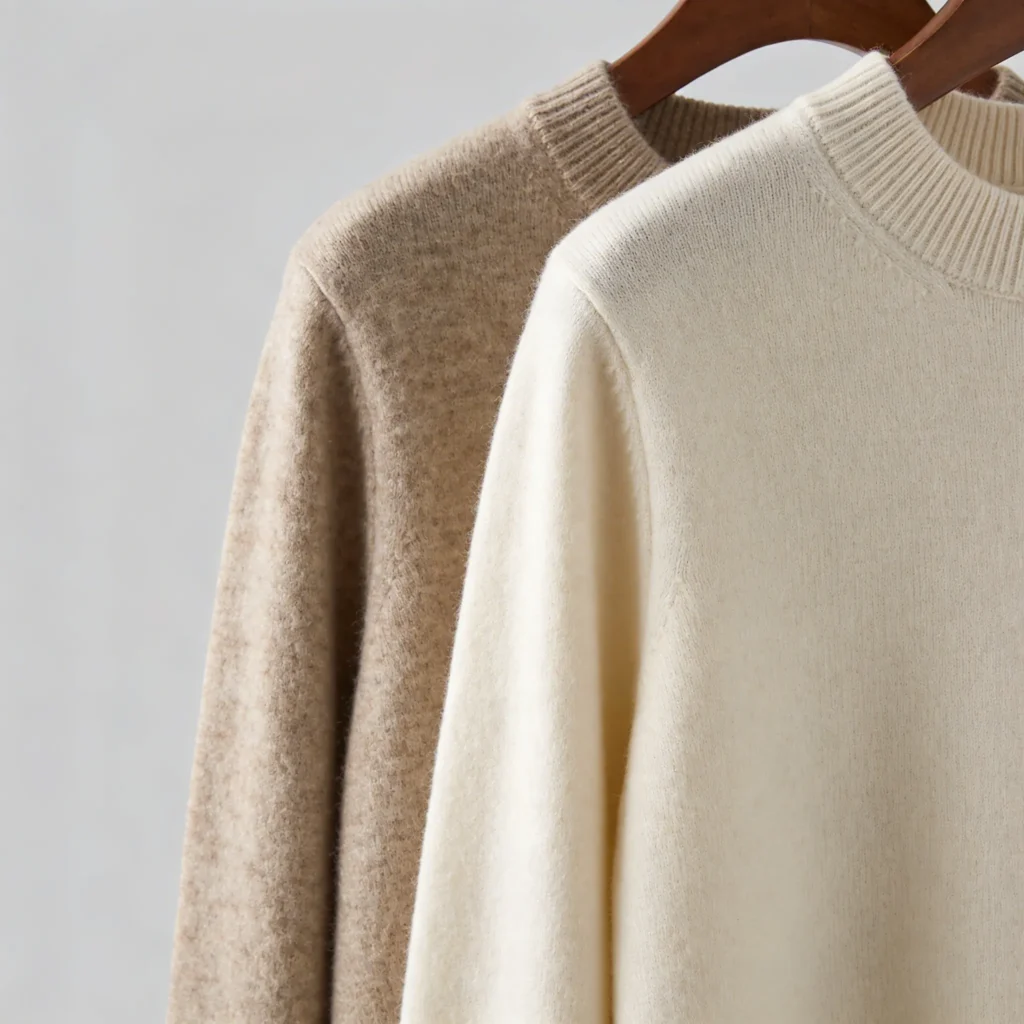
Wool is a natural fiber obtained from sheep. It is widely used in high-quality knitwear due to its excellent warmth, softness, and breathability.
Wool sweaters are often considered premium products in the market. They are ideal for winter collections and customers who value comfort and natural materials.
A professional knitwear manufacturer can offer different types of wool, including merino wool and blended wool options, depending on your product positioning.
2. What Is Acrylic Knitwear?
Acrylic is a synthetic fiber designed to mimic the feel of wool. It is widely used in sweater manufacturing because of its affordability and versatility.
Acrylic sweaters are lightweight, easy to care for, and resistant to wrinkles. This makes them a popular choice for fast fashion brands and large-volume wholesale orders.
Many sweater manufacturers recommend acrylic yarn for brands targeting price-sensitive markets.
3. Cost Comparison
Cost is one of the biggest factors when choosing between wool and acrylic.
Wool is generally more expensive due to its natural origin and higher production cost. Acrylic, on the other hand, is much more affordable and suitable for large-scale production.
For startups or brands focusing on competitive pricing, working with a knitwear manufacturer that offers acrylic options can help reduce overall costs.
4. Quality and Comfort
Wool provides superior warmth and breathability. It can regulate temperature and absorb moisture, making it very comfortable for cold weather.
Acrylic is less breathable but still provides decent warmth. However, it may not feel as soft or luxurious as high-quality wool.
For premium brands, wool sweaters are often the preferred choice, while acrylic is more suitable for budget-friendly collections.
5. Durability and Maintenance
Acrylic sweaters are generally more durable and easier to maintain. They are machine washable and resistant to shrinking.
Wool sweaters require more careful handling. Improper washing can cause shrinking or deformation.
For customers looking for easy-care products, acrylic knitwear is often more practical.
6. Which One Should You Choose?
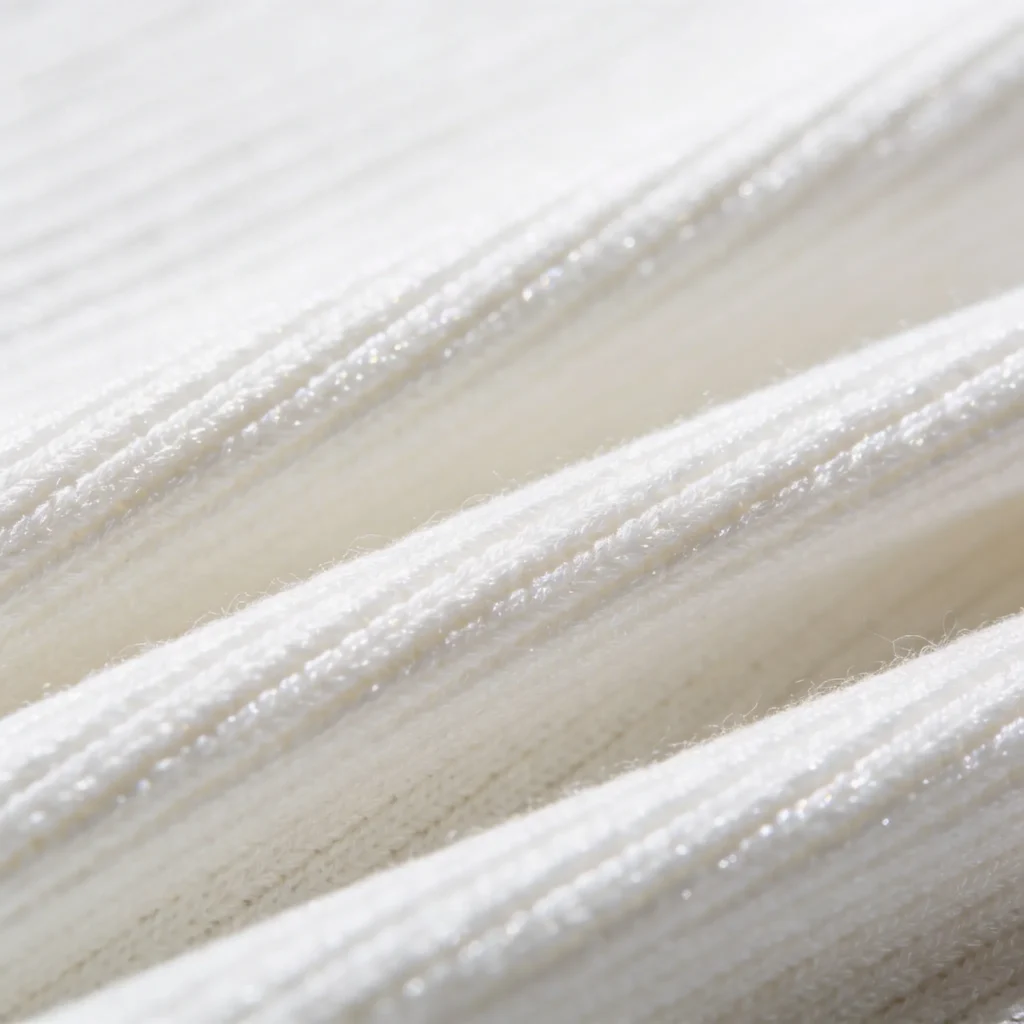
The choice between wool and acrylic depends on your target market and brand positioning.
If your brand focuses on high-end fashion, sustainability, and comfort, wool knitwear is the better option.
If your goal is to produce affordable sweaters for mass markets, acrylic knitwear offers better cost efficiency.
Many fashion brands also choose blended yarns to balance quality and cost.
Final Thoughts
Both wool and acrylic sweaters have their own advantages. By understanding their differences, you can make better decisions when working with a knitwear manufacturer or sweater supplier.
Choosing the right material not only affects product quality but also impacts your brand positioning and customer satisfaction.
Looking for a reliable knitwear manufacturer?
Contact us to develop custom sweaters for your brand.